
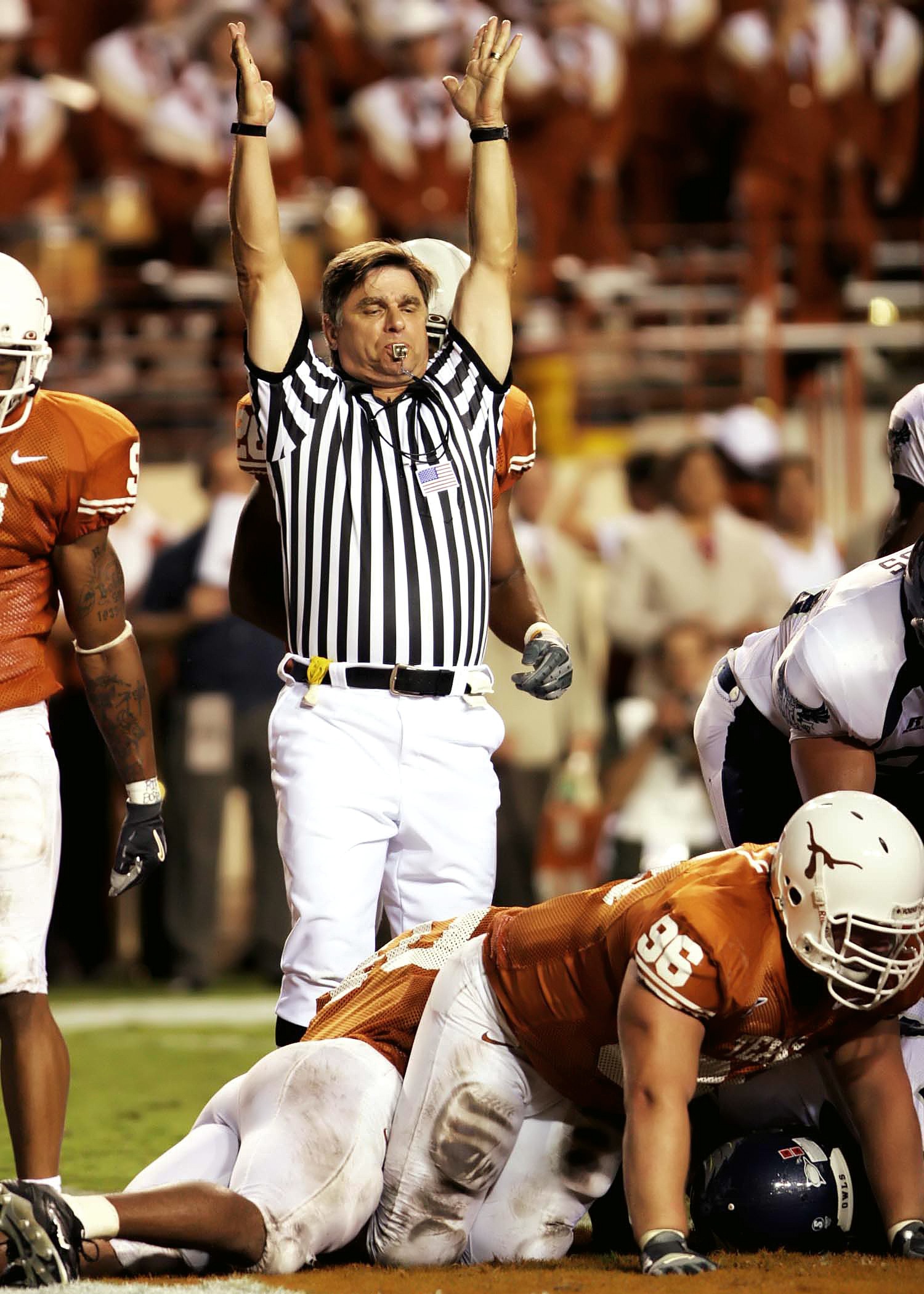

Every sports fan has seen it happen. The player who dominates practice, makes every shot when nothing is at stake, and then — when the championship is on the line — falls apart. Airball. Fumble. Missed penalty kick.
We call it choking. But choking is not bad luck. It is not a mysterious curse. It is a predictable brain phenomenon with a name, a cause, and a cure.
The Two Systems of Your Athletic Brain
Neuroscientists describe two distinct ways your brain controls movement.
| System | What It Does | When It Works Best |
|---|---|---|
| Implicit (unconscious) | Automatic, fluid, fast. Your body just knows what to do. | Low-pressure practice, flow state, routine performance |
| Explicit (conscious) | Analytical, step-by-step, slow. You think about each movement. | Learning a new skill, troubleshooting a problem |
Here is the problem. Under extreme pressure, your brain tries to help. It switches from implicit to explicit. It says: “This is important. Let me pay close attention to what you are doing.”
But paying close attention destroys automatic skills.
The Choking Experiment That Proves It
Psychologists asked expert soccer players to dribble around cones. Simple. Everyone succeeded.
Then they asked the players to pay attention to which side of their foot touched the ball on each turn. Suddenly, performance collapsed. Players slowed down. They hit cones. They stumbled.
The players had not lost skill. They had lost automaticity. By thinking about what they were doing, they overrode the unconscious system that normally handled the job.
Pressure does the same thing. You start thinking: “Keep your elbow straight. Follow through. Don’t miss.” And your body forgets what it already knows.
Who Chokes and Who Rises?
Surprisingly, the athletes who choke are often the most talented. Why? Because they rely heavily on automatic processes. When pressure forces them to think, their entire system breaks down.
Athletes who rise under pressure tend to share one quality: pre-shot routines. A tennis player bouncing the ball exactly four times. A free-throw shooter spinning the ball the same way. A golfer taking the same deep breath before every swing.
These routines do nothing physical. They do something psychological. They block the brain from switching into explicit mode. They say: “We are in automatic. Stay here.”
How to Train Your Brain Not to Choke
1. Practice under pressure
Simulate game conditions in practice. Add consequences. Have teammates shout. Play music. If you only practice in perfect silence, your first real pressure will feel foreign. If you practice with noise, the game feels normal.
2. Develop a trigger
Pick a physical action that means go. A tap of the shoe. A deep exhale. A specific word you say to yourself. Use this trigger only during performance, never during analysis. Over time, the trigger becomes a switch into automatic mode.
3. Stop thinking about results
“Don’t miss” is a thought about missing. “Make this shot” is a thought about the future. Both pull you out of the present. Instead, focus on one small physical cue: “Smooth release.” “See the spin.” Narrow focus blocks panic.
4. Choke in practice on purpose
Deliberately create pressure in training. Do a drill where you lose points for mistakes. Then practice recovering. The more you fail under simulated pressure, the less scary real pressure feels.
What to Do When You Feel the Choke Coming
You are in the game. Your heart is pounding. Your mind starts racing. You feel the switch happening.
Do not fight it. Do not think “Don’t choke.” Instead, do one thing: breathe out slowly. A long, slow exhale activates your parasympathetic nervous system. It lowers heart rate. It tells your brain to calm down.
Then pick your smallest physical cue. Not “score”. Not “win”. Just “breathe, then move”.
The Bottom Line
Choking is not weakness. It is your brain trying too hard to help. The solution is not caring less. The solution is training your brain to stay automatic when it matters most.
The best athletes are not the ones who never feel pressure. They are the ones who have taught their brains to keep working anyway.